



The phone call wasn’t unexpected but it was still a giant kick in the balls.
“Stephan… I’m so, so sorry but… your father just died a few minutes ago.”
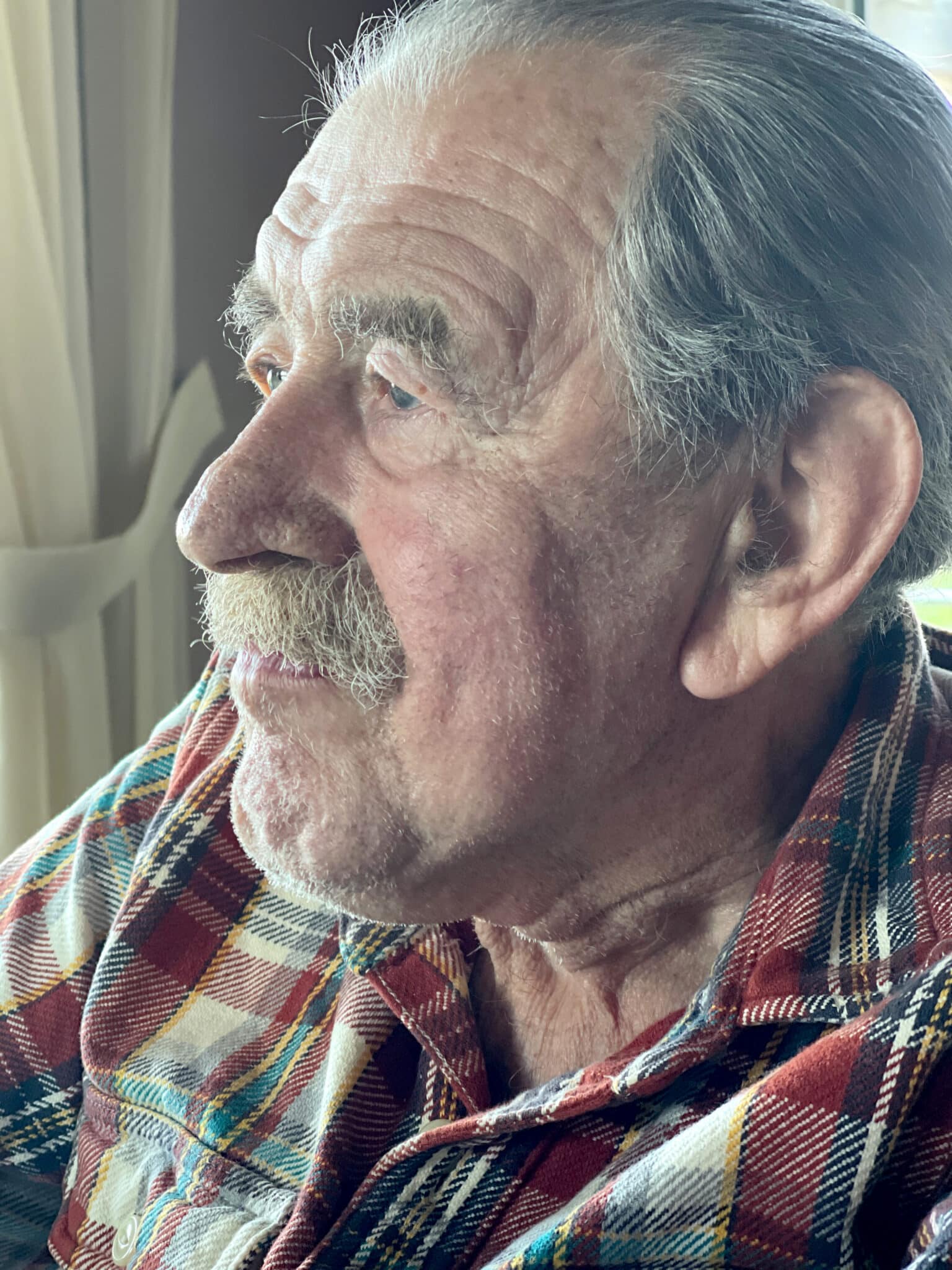
My father lived three thousand kilometers away and I had been to seen him a week before he died. While we were together I tended to him, consulted with doctors, and ultimately consigned him to palliative care.
And so, eased from his pain by hydromorphone, he slipped into the final dark last Friday.
I’m telling myself it was more important be with him while he was still conscious rather than vigil at his deathbed during his final hours. I hope I made the right decision.
Alzheimers is a real bitch, but I am grateful for one thing about it…
My father grew up in the ruins of post-World War II Germany before emigrating to start a new life in the New World. He was thus very familiar with the disaster of Fascism, and being robbed of his mental faculties protected him from the anguish of watching that foul ideology take over the United States in his final years.
(And if that pisses you off then close this window and f**k off forever.)
My reaction when I heard the news about my father, and in the days that have followed, is that days like that should be thrown into a hole and plowed over.
But that’s probably not the right thing to do.
I’ve been here before with my mother, grandmother, friends, training partners, and two brothers.
From their lessons I’ve learned that every death is terrible but it’s also a gift.
The departed giving you one final long-distance present: Memento Mori, which loosely translates as, “Remember, you are going to die.”
That might sound grim, but it’s really not. It’s a reminder that life is short and that you should get your ass in gear.
Memento Mori is an ancient idea embedded in Judaism, Christianity, and many pagan religions. And in December of 2025 I was presented with another very powerful example of that.
I got to visit the Capella dos Ossos, the Chapel of Bones, in Évora, Portugal.
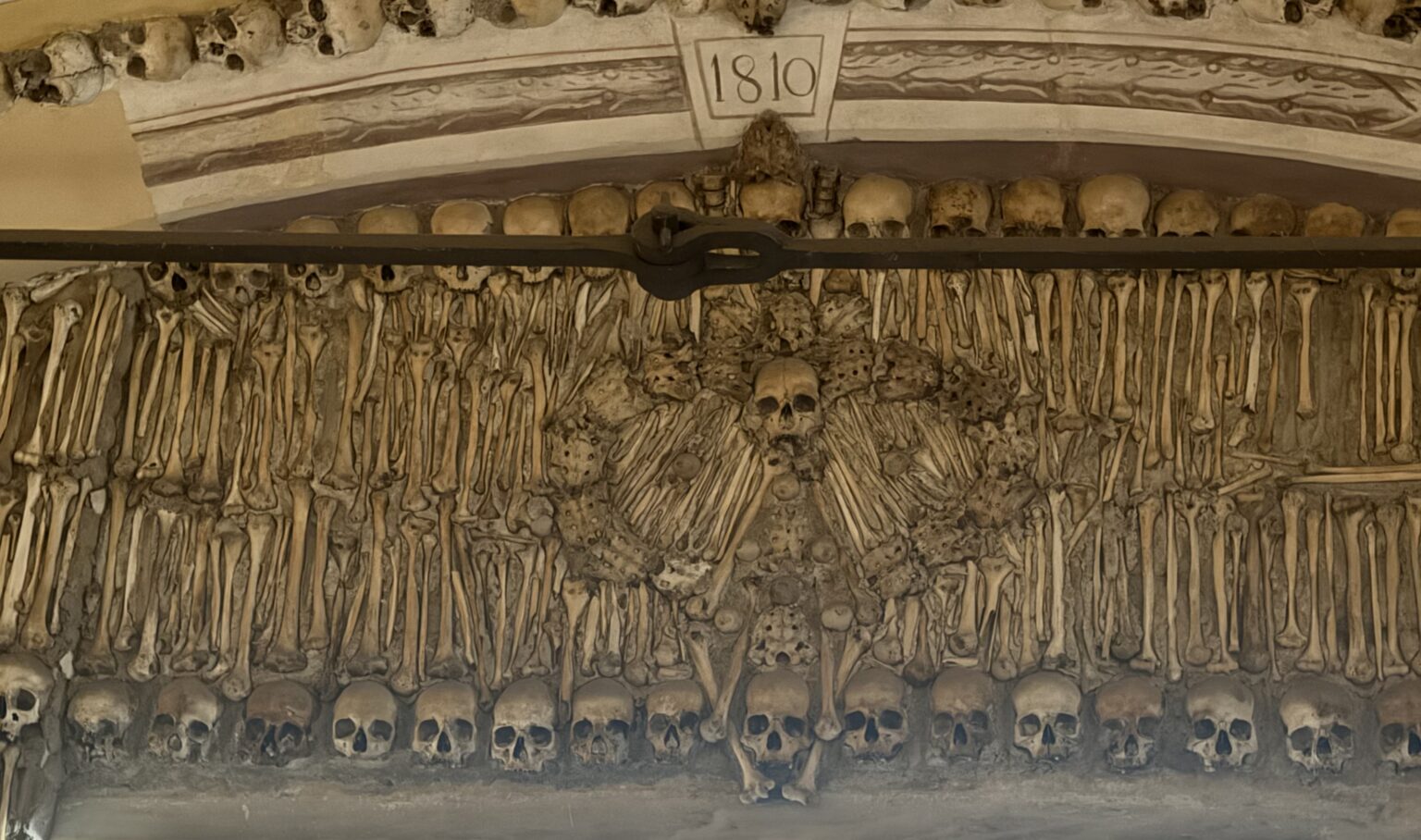
The Chapel of Bones, in Evora, Portugal
Imagine a room where the walls are built out of stacked cordwood, but now replace the short lengths of firewood with human femurs and skulls.
This chapel was built by Franciscan Monks in the late 1500s. They exhumed the bones of 5,000 different corpses to build this room.
The intention was to spur the Franciscan monks who used that chapel into thinking about the big picture, which in their case was heaven, hell, and how their actions here and now would affect them in the afterlife.
The effect is a gut-punching example of how people not that distant from us both viewed the world very differently and how some lessons transcend time.
I subscribe to a somewhat different philosophy from the Franciscans, but the main point is well taken.
Whether you’re looking at walls built from bones, a Roman stoic, or pondering the death of your own father, harness that energy and use it to better appreciate the days you have left.
Death itself is a reminder that life is short, to use your hours to the best of your ability, and to make it a little better for everyone else along the way.
Get started now, and don’t stop.
Stephan