




Countering the Kimura
The Kimura is one of the most powerful submissions in BJJ, and having your arm cranked by one can lead to serious injury if you don’t tap out in time. Therefore you need some Kimura defenses you can rely on.
Here are five of my favorite Kimura escapes. Not only do these techniques get you get out of danger, in the course of the escape they ALSO teleport you to your opponent’s back and give you a huge advantage.
Here’s the entire video, with more detailed breakdowns of the 5 techniques below…
The Kimura Armlock
One of the most beloved submissions in BJJ and MMA, the Kimura is a submission where you use both of your arms to isolate one of your opponent’s arms, isolating both his elbow and shoulder joints, thus forcing him to submit to avoid risk shoulder dislocation or even spiral fractures of the arm.
People have used both of their arms to twist their opponent’s arm into the Kimura configuration for at least 3,500 years, as evidenced by this soapstone carving from Bronze age Turmenistan (source).
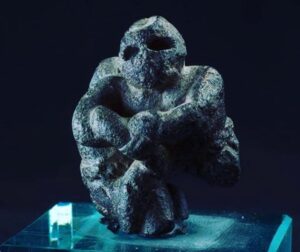
This armlock came to BJJ from traditional Japanese ju-jutsu systems via Judo when when legendary judoka Masahiko Kimura broke and dislocated Helio Gracie’s arm with it in 1951.
The Kimura can be entered from multiple positions – the back, closed guard, half guard, passing guard, single leg, and standing.
The Kimura isn’t always used as a submission – it’s basically a giant handle allowing you to move your opponent (or move yourself around your opponent) and set up easy transitions to the back, sweeps and enter into many other submissions including chokes, armbars, and even leglocks.
1 – Spin to Back vs Closed Guard Kimura
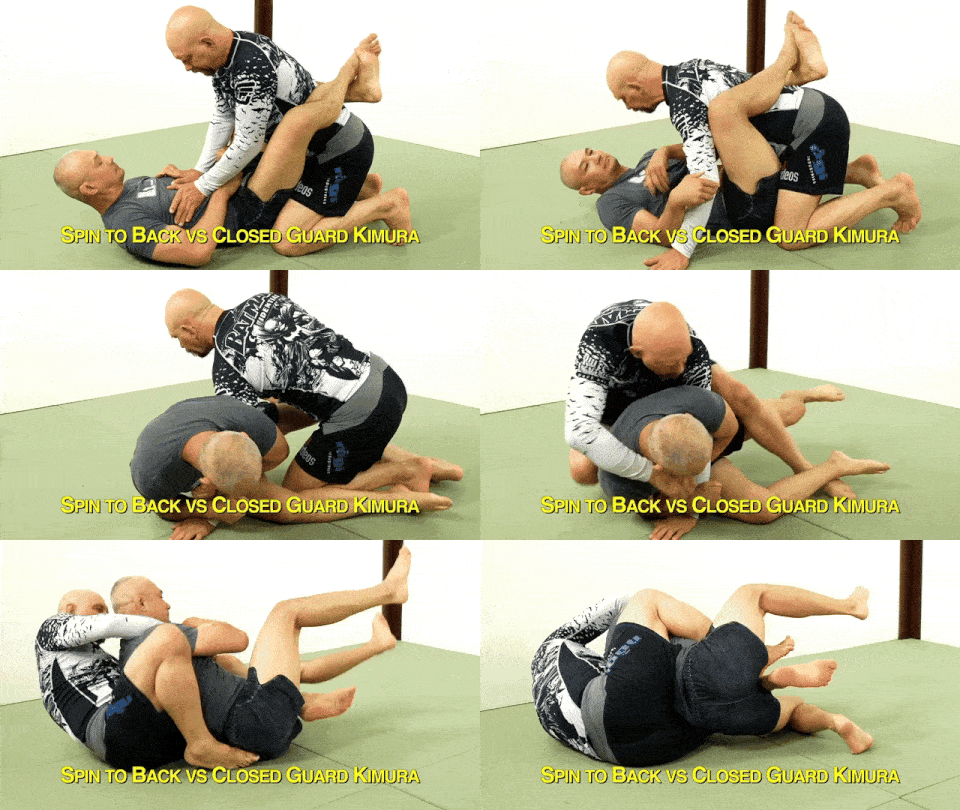
The Closed Guard Kimura is probably one of the simplest and most commonly used Kimura submissions, especially amongst white belts.
For this escape to work effectively, it’s imperative to move as soon as your opponent opens their guard to attack your arm. Once their guard is open, push down their leg opposite to the Kimura side, step over, and spin to their back. From here, immediately insert your hooks.
This variation is covered from 0:05 to 0:15 in the video at the top of the page.
2 – Butterfly Lift vs Half Guard Top Kimura
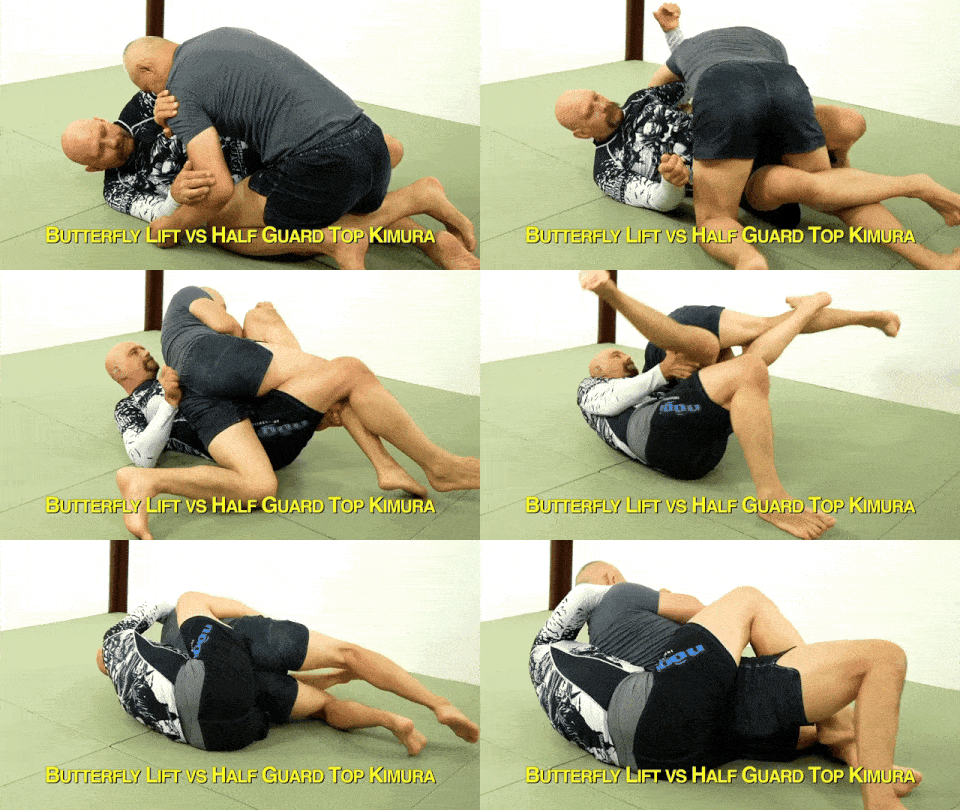
The Kimura is often used by an opponent on top of you in half guard; they’re looking either to submit you with the shoulder lock or use your reaction to the Kimura to pass your guard.
When in bottom half guard and your opponent goes for your far side arm to secure the Kimura trap, use your far side butterfly hook to come under their leg and lift them whilst also using your opposite (outer) hand. Push them over onto their side, scoop behind, take their back, and insert your hooks.
This variation is covered from 0:16 to 0:35 in the video at the top of the page.
3 – T Kimura Reversal and Backtake
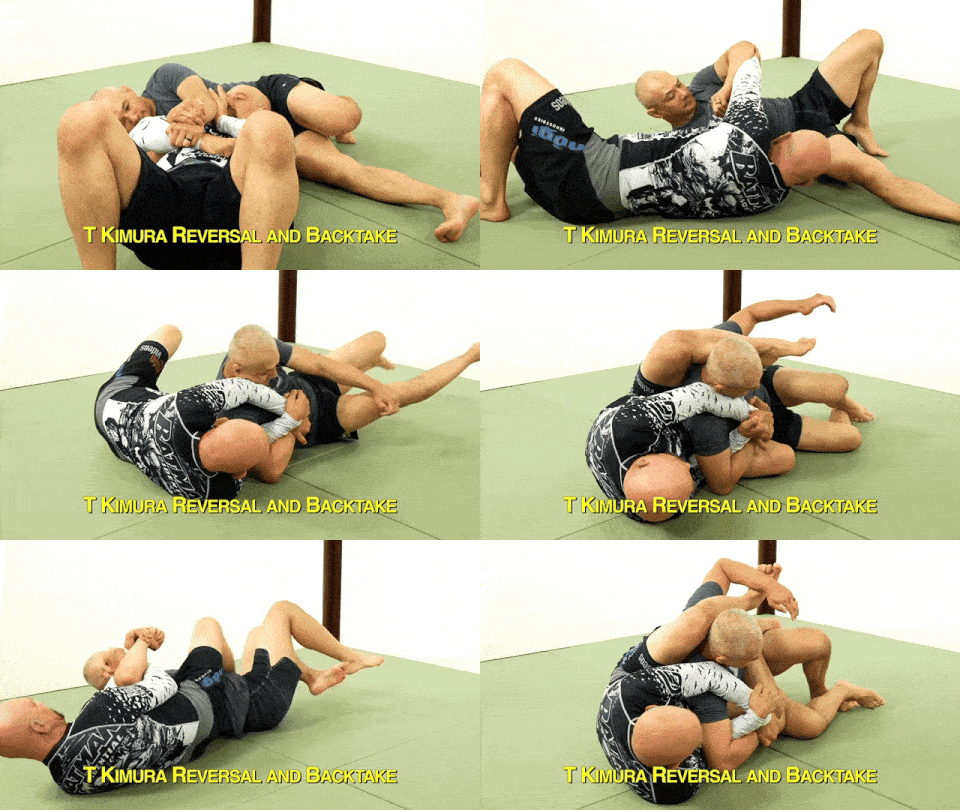
The T Kimura is an important position because you can end up in it so many different ways, including scrambles that start on the bottom, defending the single leg, and passing the guard
When your opponent has you in the T Kimura , use your free arm to push their elbow up whilst circling your hips under their head to dissolve their grip. Take a ball and socket grip on your opponent’s attacking arm, then pull your own arm towards you. Pivot into a T Kimura from behind. This will bait your opponent into turning to face you – follow to take their back by sliding your bottom leg from under their body to up and over their far shoulder. Pull your opponent over and secure a dominant back position by creating a lap belt with your other leg.
This variation is covered from 0:36 to 1:03 in the video at the top of the page.
4 – Butterfly Staple and Scoot vs Half Guard Kimura
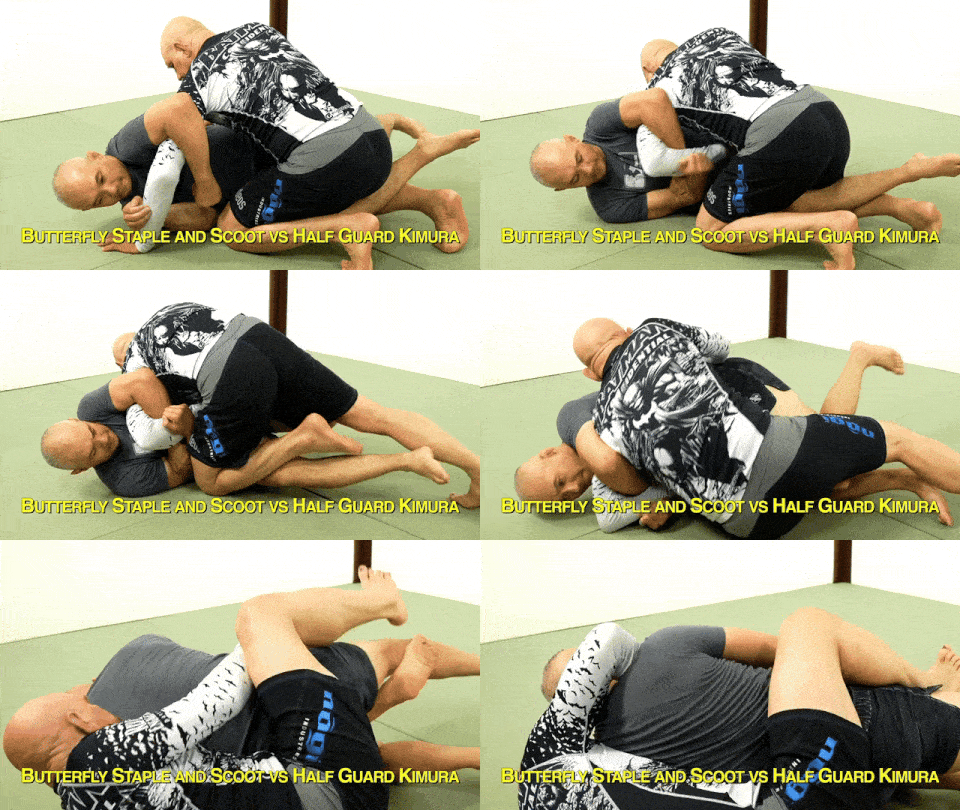
Whilst a Half Guard Kimura is easy to get caught in, it’s also relatively easy to defend as you can maintain space and posture. It also gives you a route to the back.
When on top in your opponent’s half guard, use your far leg to staple their bottom leg to the floor, sit back whilst pulling their hip towards you with your free arm, keeping your chest tight to their body. This simple action rotates their body, allowing you to move behind them and take their back. Be sure to pull your bottom arm out as soon as possible to keep it safe and form a seatbelt grip.
This variation is covered from 1:04 to 1:24 in the video at the top of the page.
5 – Spin Armbar and Follow-up Backtake vs Bottom Side Control Kimura
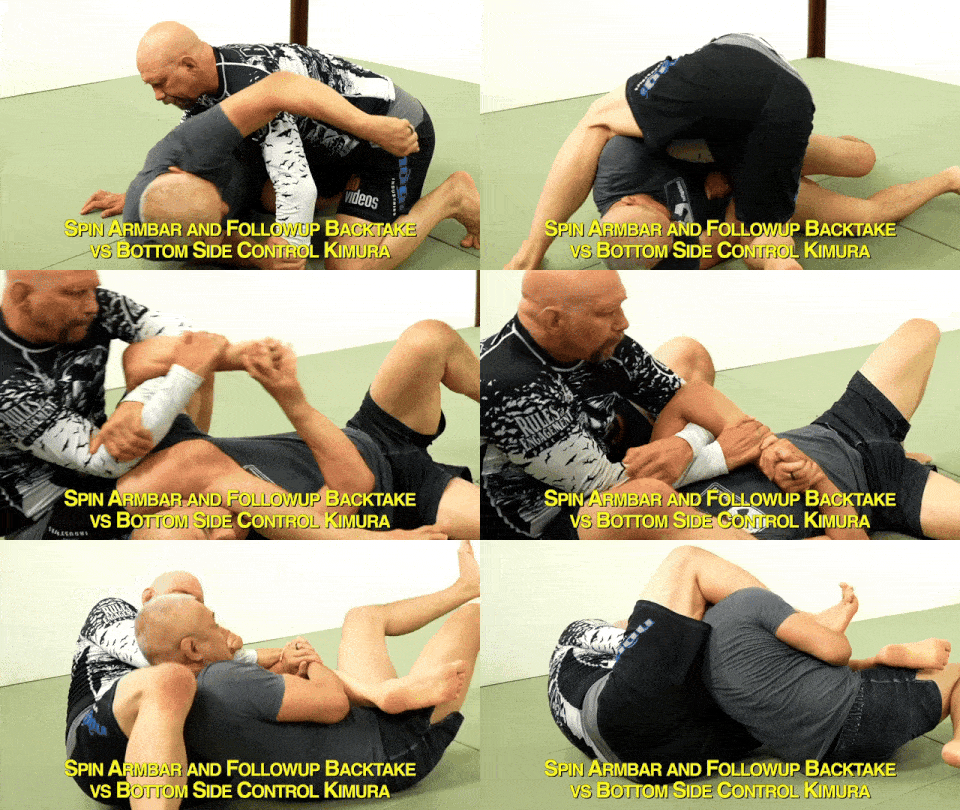
When your opponent attacks your top arm from the bottom of side control or half guard, free your trapped leg (if trapped), step over their head, and spin to the arm bar.
If you can’t secure the armbar because your opponent’s defense is too strong, you can simply move to take their back. Step your bottom leg over their hips to form a lap belt, escape your hips, and step over their shoulder with your top leg.
This variation is covered from 1:25 in the video at the top of the page.
P.S. I’m in the final stages of editing a gigantic and very detailed project on the Kimura armlock. Make sure you’re subscribed to my free email newsletter to stay in the loop about that project – it could very much change your game, especially if you train mostly no gi.